

Five Lessons in Audience Connection from ATX TV Festival
Five strategies from one festival, and what the smartest brands understood about connection.
Storytelling remains one of the most effective ways brands reach an audience. Entire industries are built around that truth. Last week, in a room full of television fans, industry professionals, and talent, Kate Folb of the USC Annenberg Norman Lear Center captured it simply: the four most powerful words in the English language are “once upon a time.”
The moment you hear them, you lean in.
Stories create investment. They make people remember. Research consistently shows that people retain information more effectively through narrative than through facts alone. Brands tap into that same dynamic when they create experiences people can step inside.
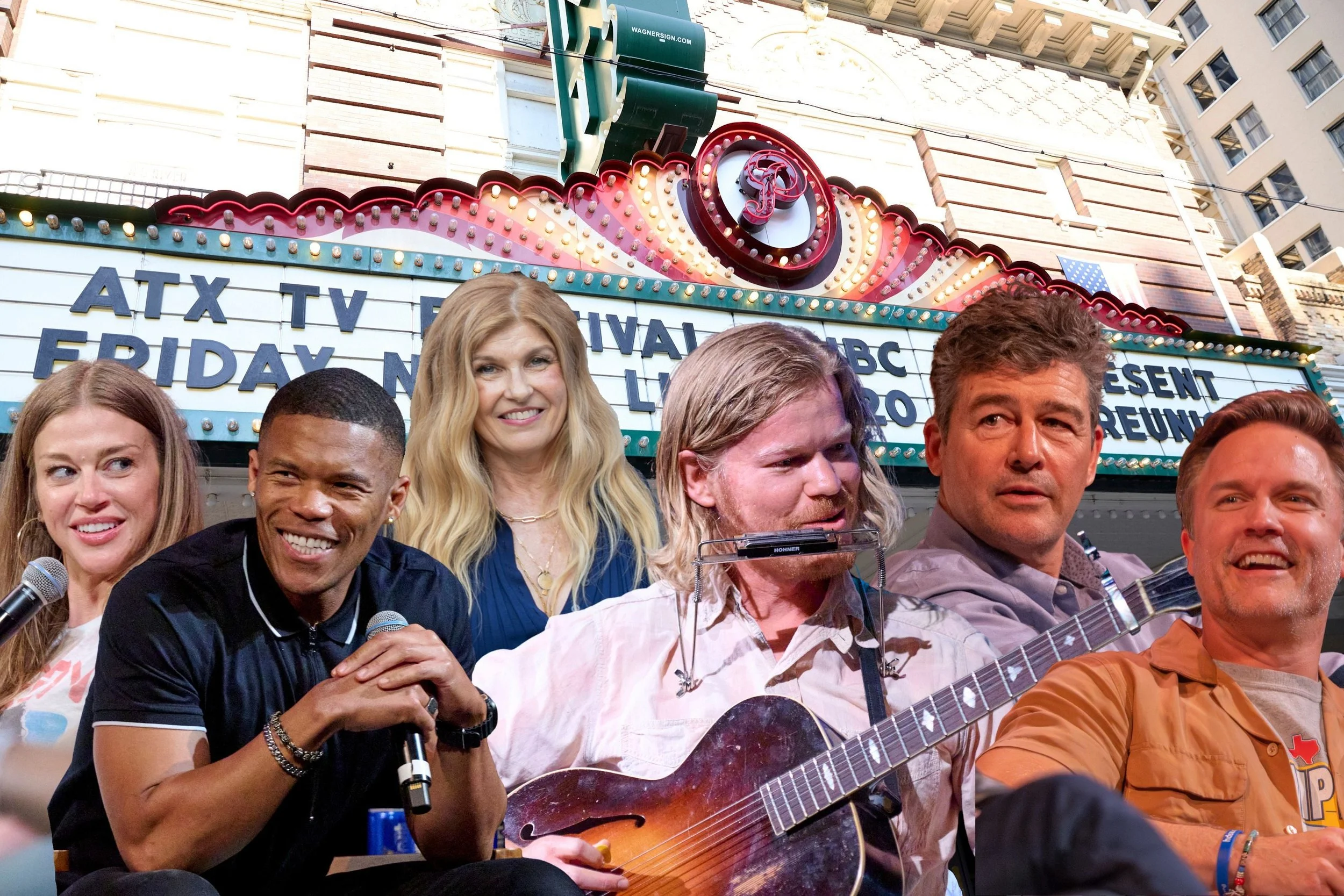
At the ATX TV Festival, sponsors of every size and ambition demonstrated exactly that. Through immersive environments and intentional programming, they shaped not only how audiences experienced their brands, but how those experiences stayed with them afterward.
Whatever it is, the way you tell your story online can make all the difference.
Connection was the common objective, whether brands named it or not.
What made the week such a useful case study is that each sponsor pursued connection differently, with different resources, different goals, and different approaches. Viewed together, they created a surprisingly complete picture of how brands can meaningfully plug into an engaged audience.
Why Story Wins: Friday Night Lights
Twenty years ago, Friday Night Lights nearly disappeared. Ratings were modest, but fans refused to let it happen. They mailed lightbulbs and footballs to the studio in a literal campaign to keep the lights on, and the show survived.
Two decades later, a sold-out Paramount Theatre proved why.
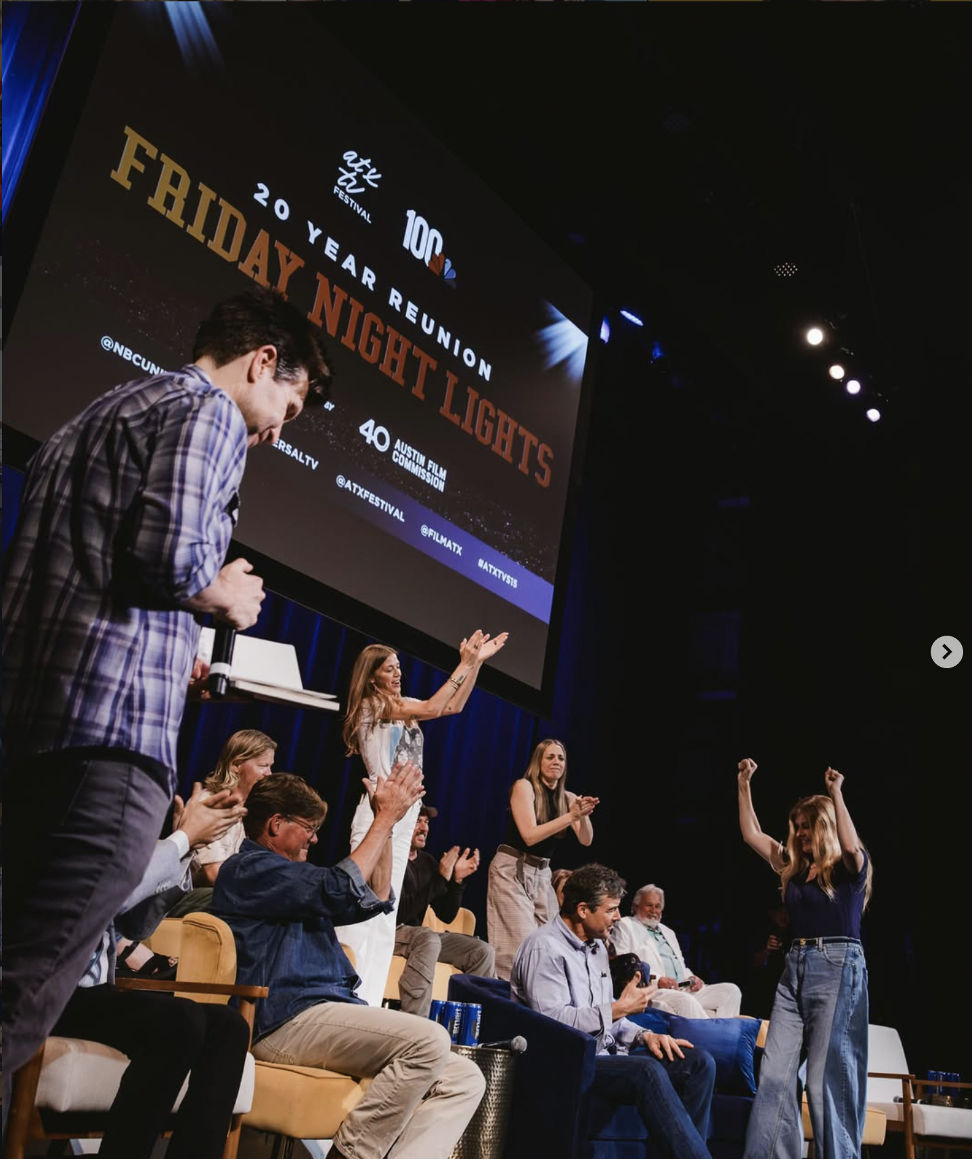
As the cast reunited and the audience sang along, the event stopped feeling like a panel and started feeling like re-entry into a world people had carried with them for years. Characters they had grieved with. A town they had lived in for five seasons. Music they somehow still knew by heart. The story had crossed into memory.
That is exactly what Folb’s research points to, and what every person in the theater felt at once.
ATX did something rare: it placed multiple sponsorship strategies side by side, in the same week, with the same audience.
The strategy: emotional ownership. Audiences connect most deeply when they no longer consume a story, they carry it with them.
Activation Through Earned Legacy: NBC Universal
NBC had perhaps the deepest library of stories to draw from and used it with remarkable restraint.
Celebrating its 100th year, NBC could have built spectacle. Instead, it programmed around enduring audience favorites: procedural panels, a screening and behind-the-scenes conversation for Homicide: Life on the Street, and a reunion for Parenthood, amongst others.
Its biggest contribution was hosting the Friday Night Lights homecoming itself.
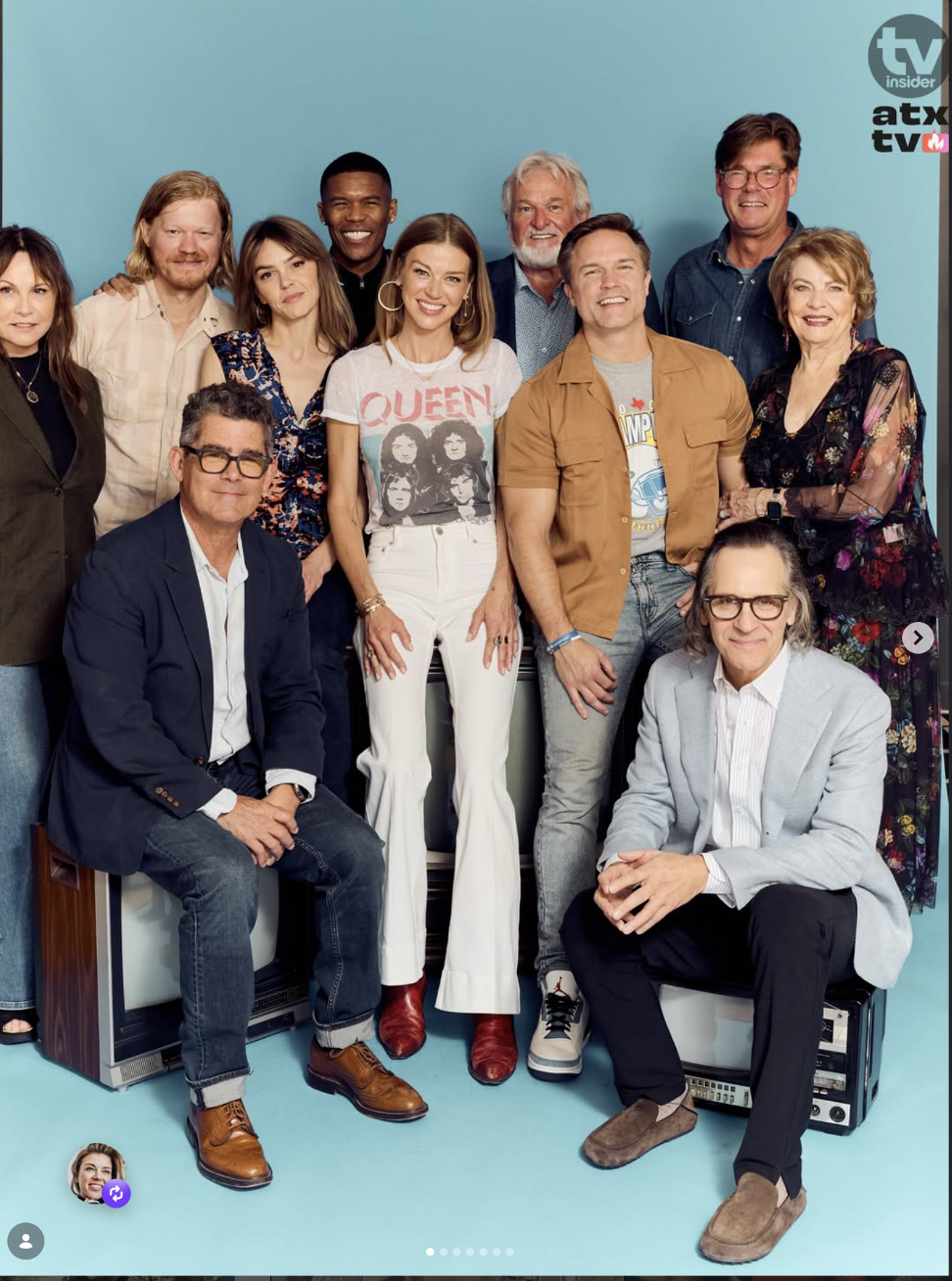
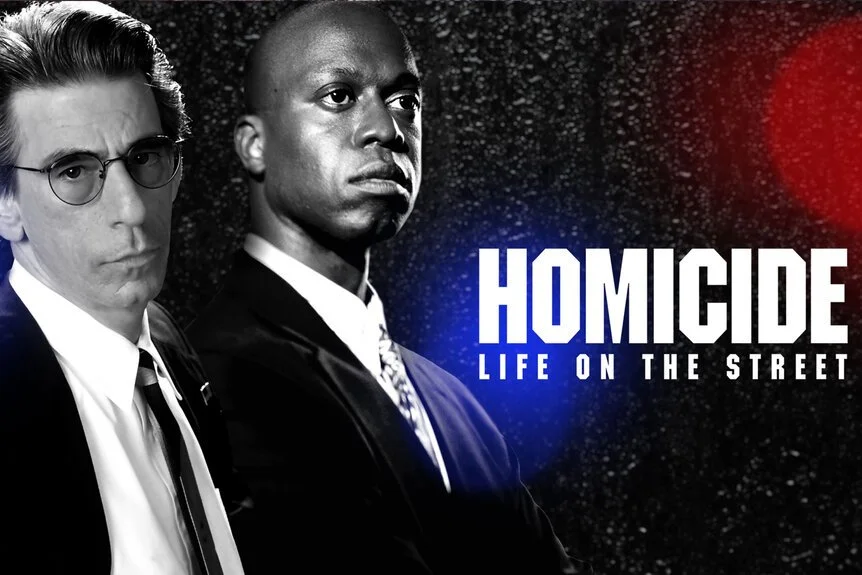
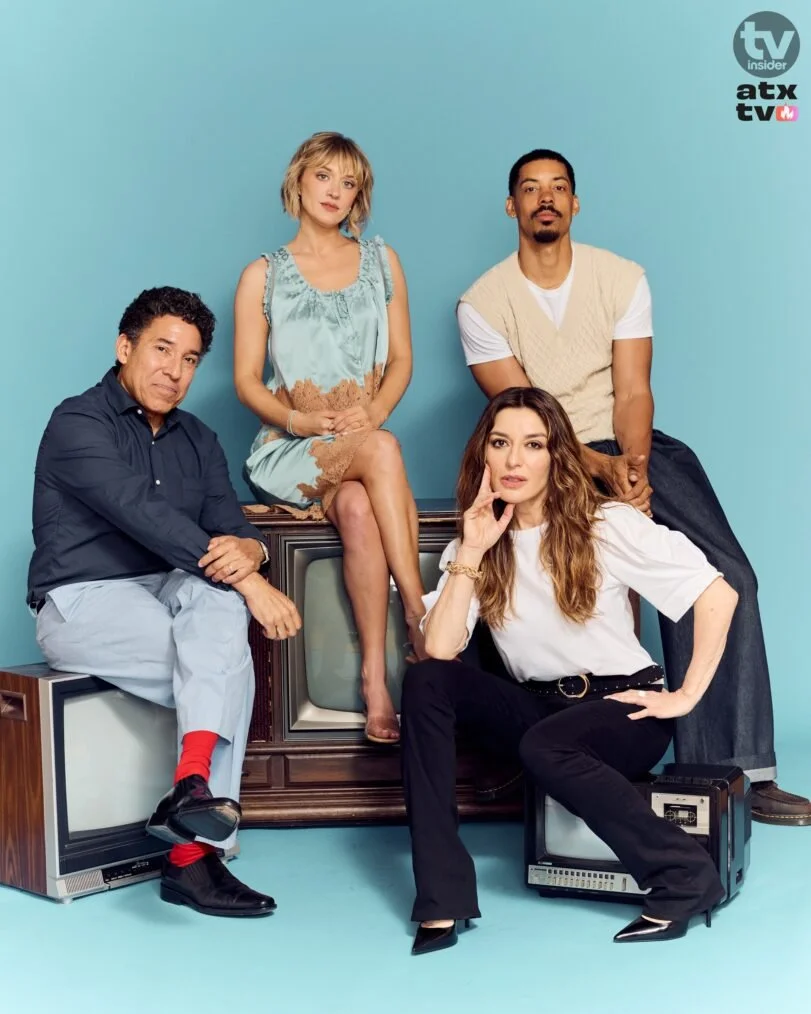
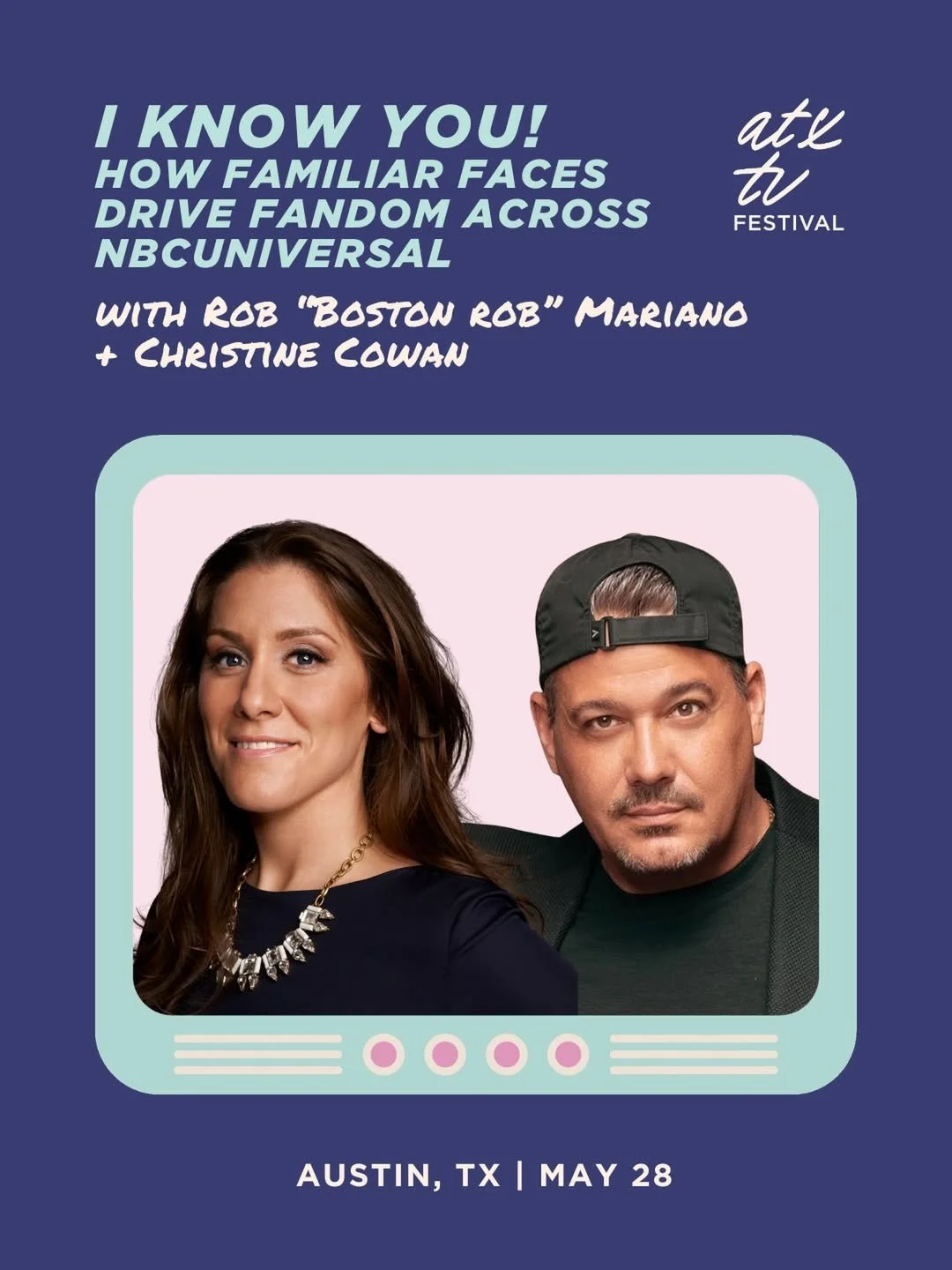
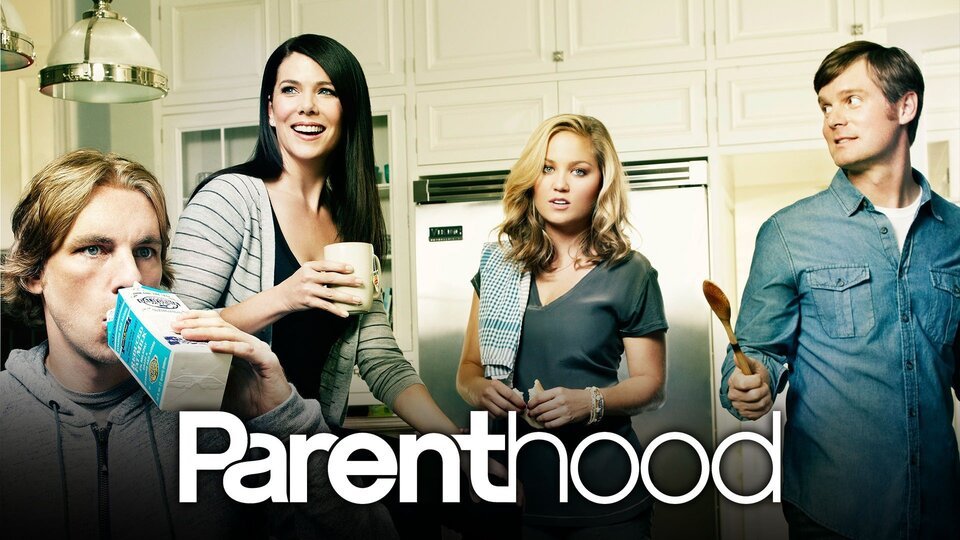
When a brand has spent decades earning affection, it does not always need to manufacture attention. Sometimes the strongest move is to let the work speak for itself.
The strategy: restraint. Activation through legacy, available only to brands that have earned it.
World-Building, Reimagined: BritBox
World-building has become a familiar playbook, especially among major streamers. But what happens when you do not have blockbuster budgets? BritBox answered that question differently.
Approaching its tenth year and still expanding awareness in the U.S., the platform used the ATX TV Festival not to create a universe from scratch, but to build a world inside one that already existed.
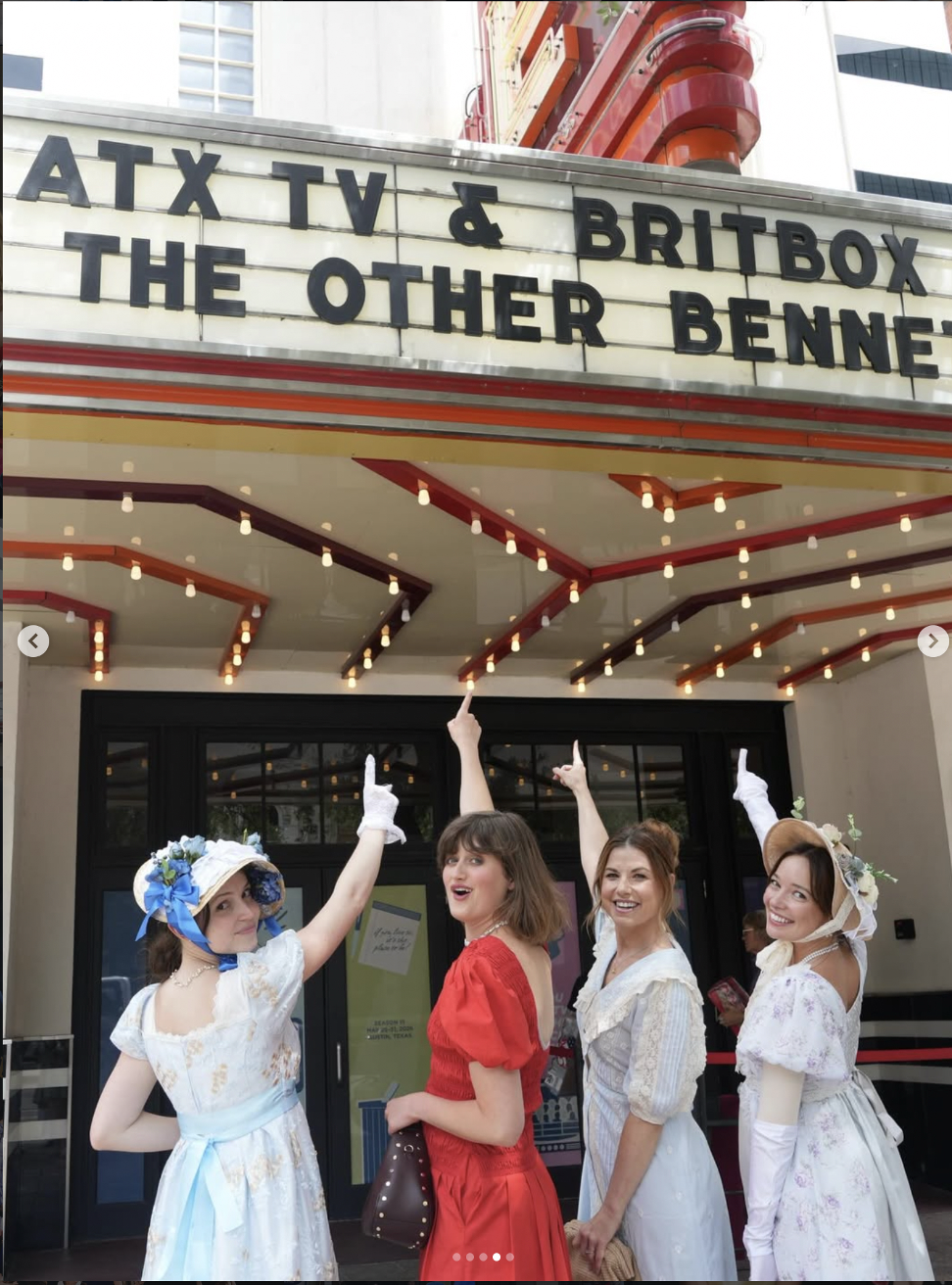
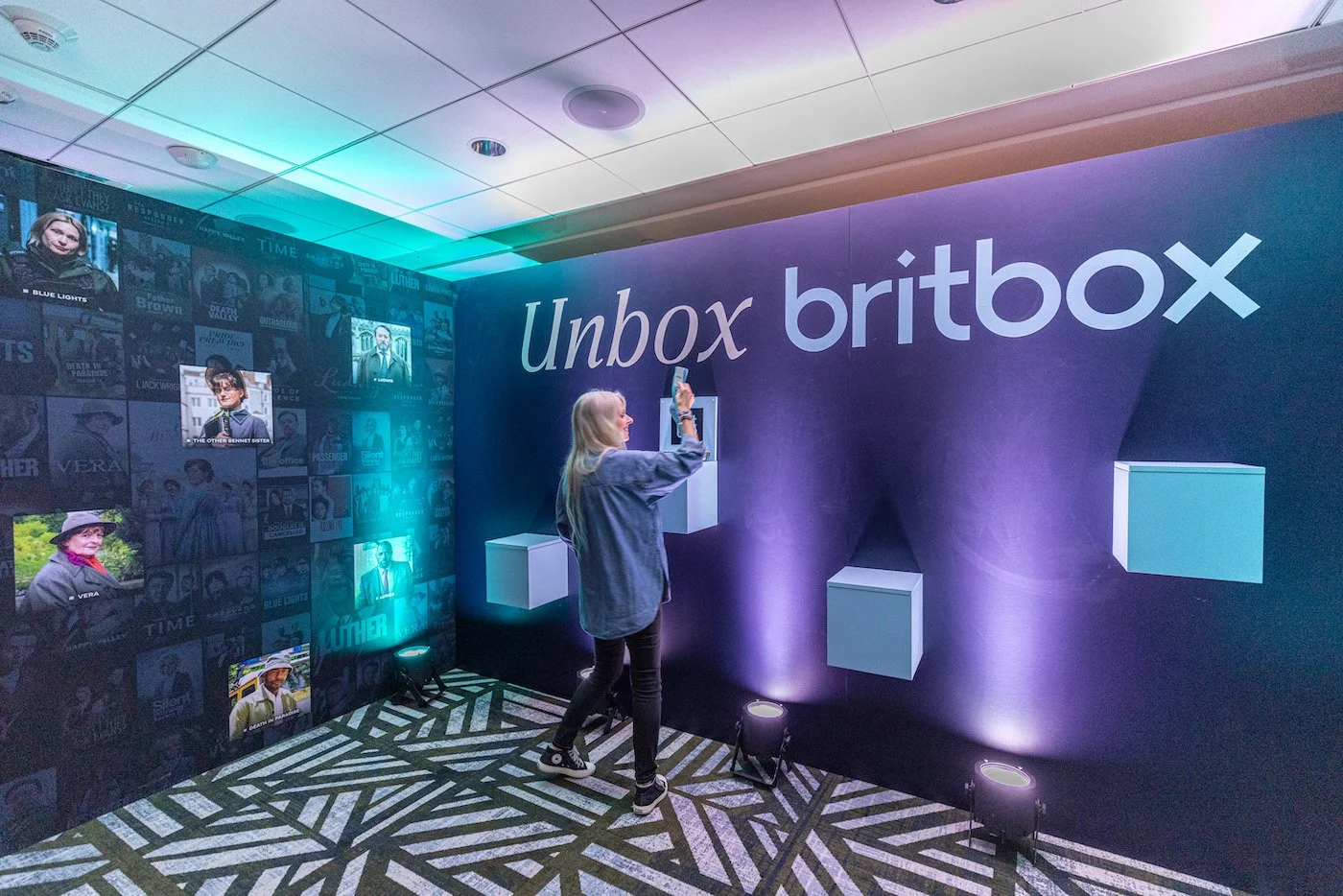
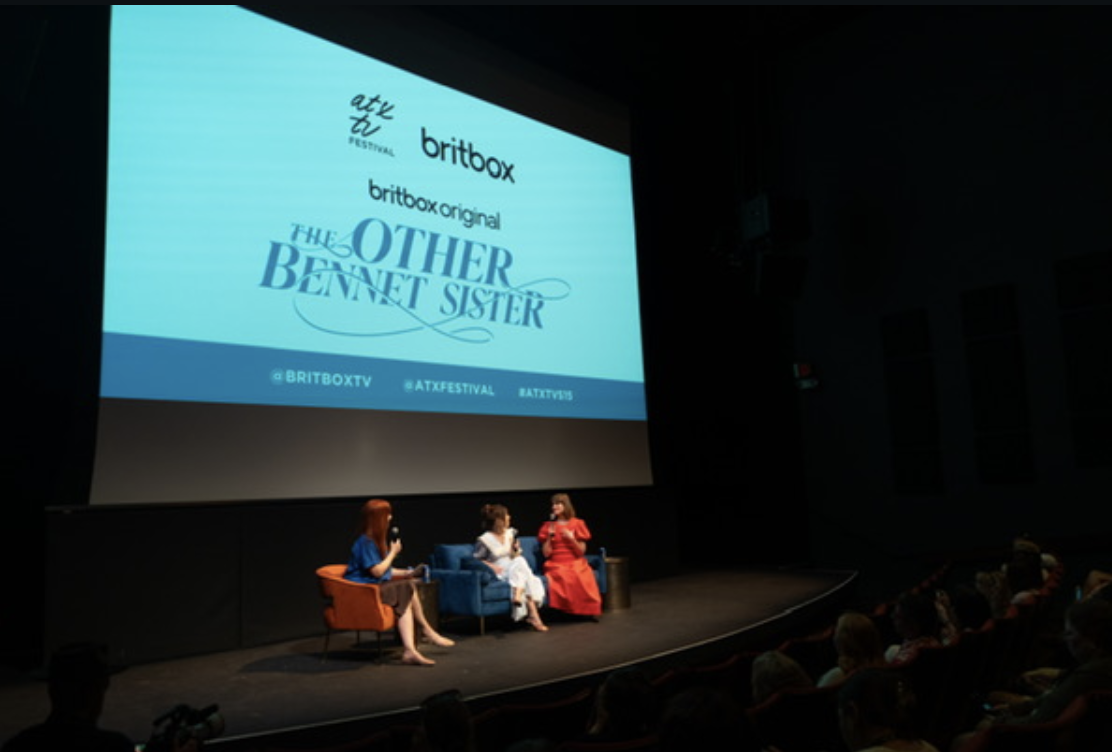
Following momentum from The Other Bennet Sister, BritBox created a layered presence: the walk-in Unbox BritBox activation, pub trivia, a fireside conversation with the CMO on brand strategy, screenings, and moderated talent Q&As.
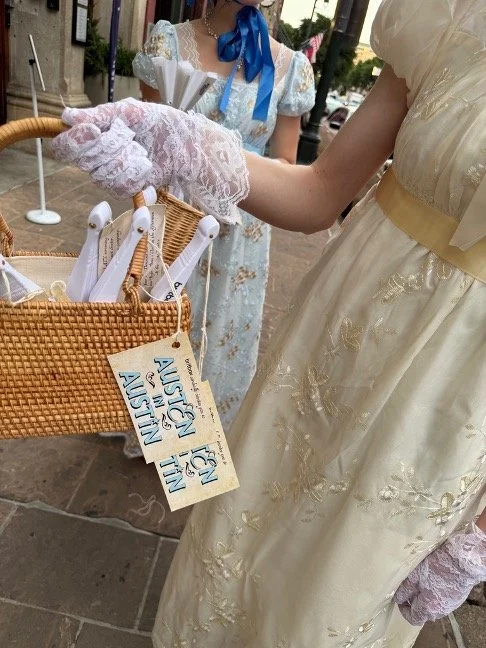
The most effective detail may have been the simplest. Throughout the festival, ambassadors dressed as characters from The Other Bennet Sister moved through the grounds, interacting with attendees, taking photos, and extending the fiction beyond programmed moments.
BritBox also became the only sponsor to move beyond the festival footprint itself, extending into Austin airport video placements. That was not an isolated media buy. It was a deliberate extension of the strategy.
While most sponsors focused on people already attending the festival, BritBox reached those moving through Austin who would never enter the venue. They built a world inside the festival, then extended that world outward.
Everything laddered back to one idea: British storytelling as a sensibility rather than a genre.
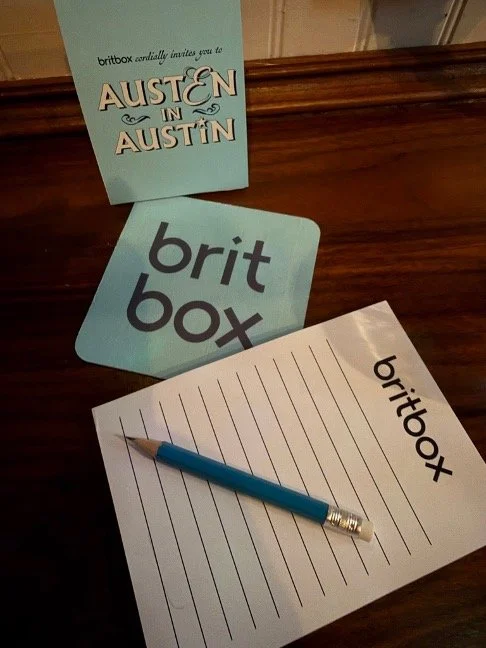
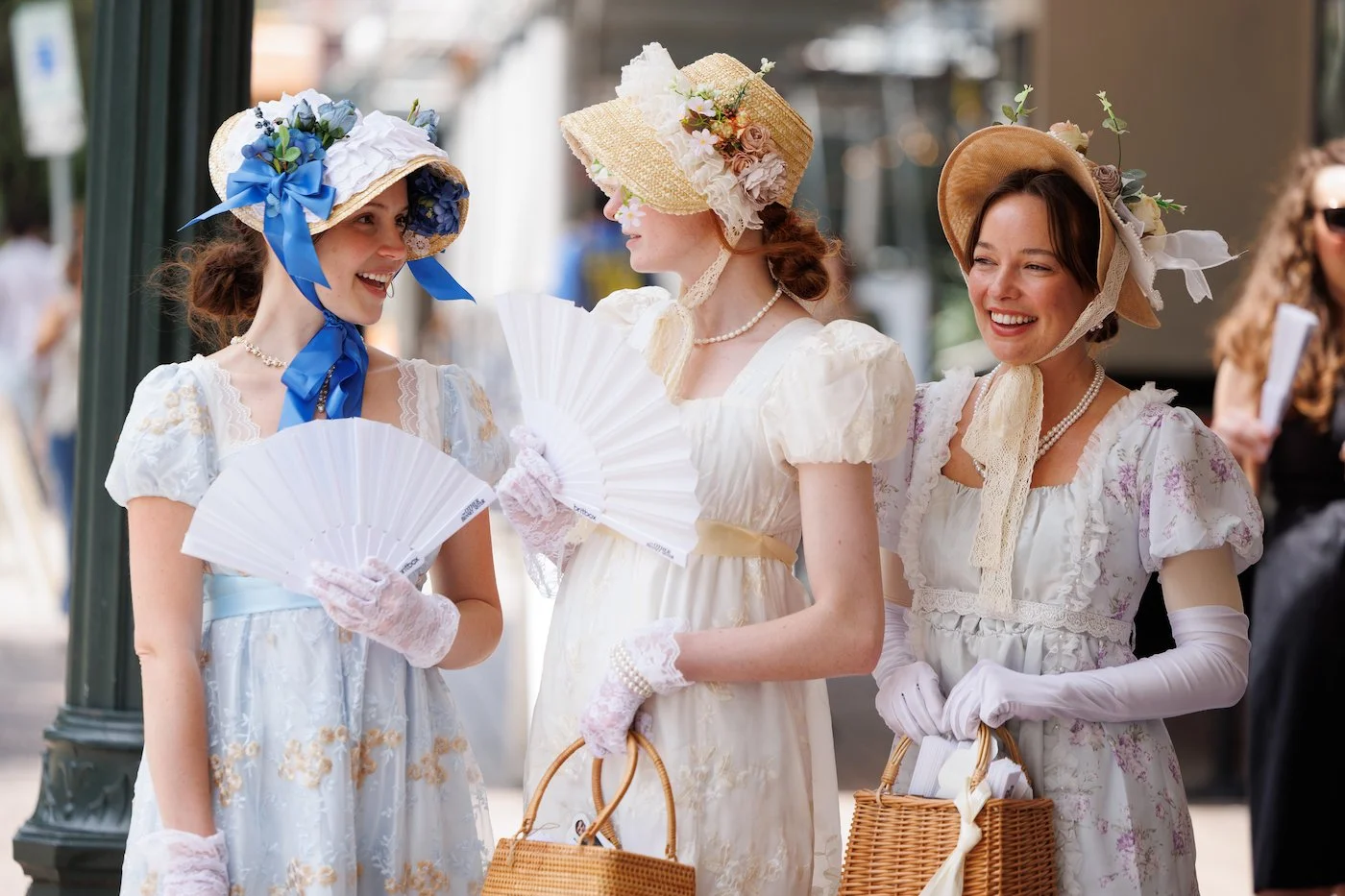
The strategy: expansion. World-building scaled and extended beyond the festival walls.
Depth Over Breadth: Fox
Fox took the opposite approach.
Rather than spreading attention across multiple properties, it focused almost entirely on one: the Baywatch reboot arriving in early 2027.
The team transformed the patio at 800 Congress into a recognizable slice of Baywatch, complete with a lifeguard stand, beach backdrop, and themed happy hour. Construction reportedly began at 3 a.m. to bring it to life.
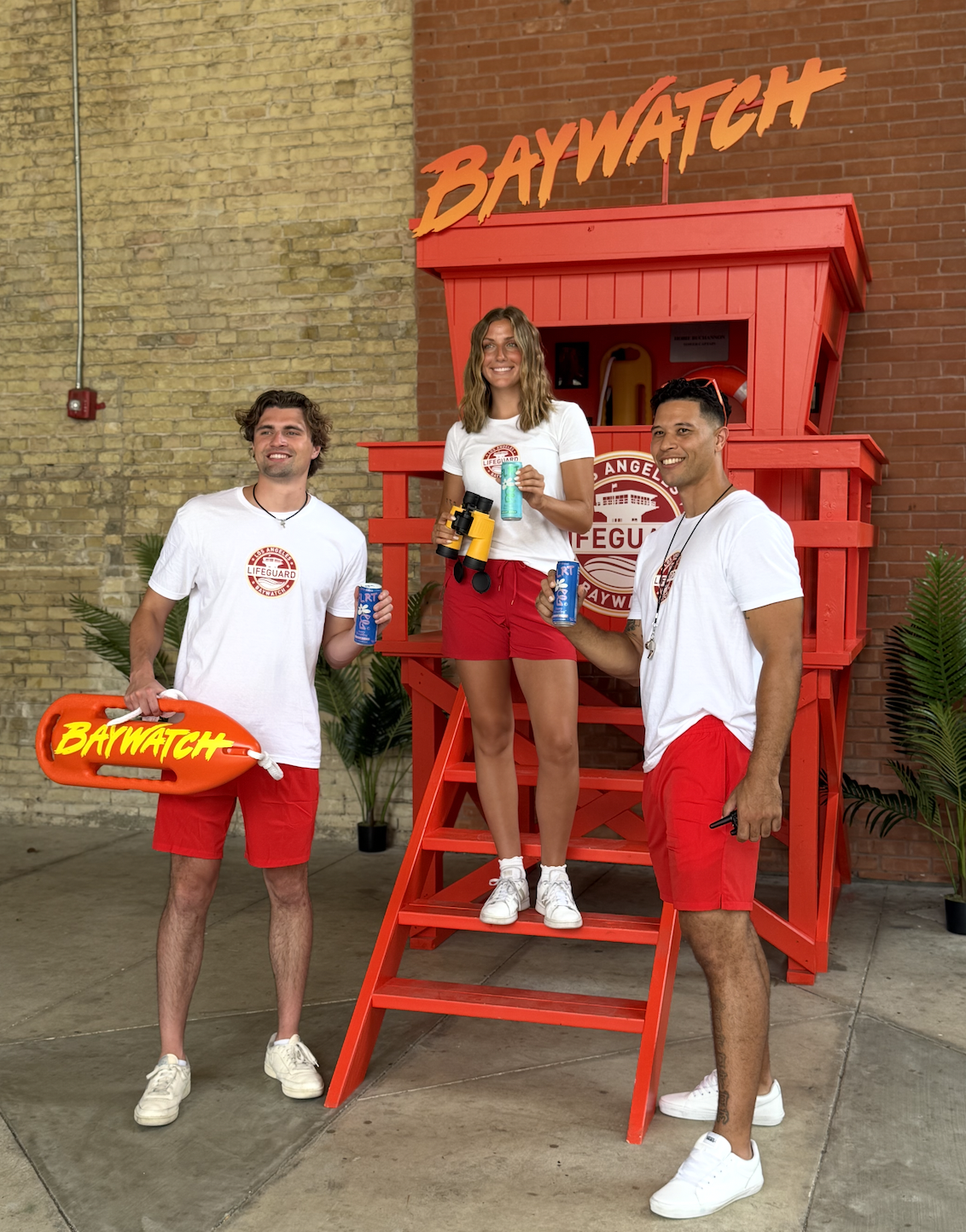
There was no multi-surface ecosystem. No broader platform story. Just one world, executed completely enough that attendees could step inside it. That simplicity is what made it effective.
Baywatch is instantly recognizable. People already understand the visual language and instinctively know how to participate. They know the pose before they arrive.
The result was exactly what the brand needed: attendee photos circulating organically across social channels and extending awareness beyond the festival, even without cast appearances or major talent amplification.
The strategy: concentration. Commit fully to one recognizable property rather than spreading attention thin.
Hospitality as Connective Tissue: Pluto TV
Pluto TV, the streaming division of Paramount Skydance, took an entirely different route.
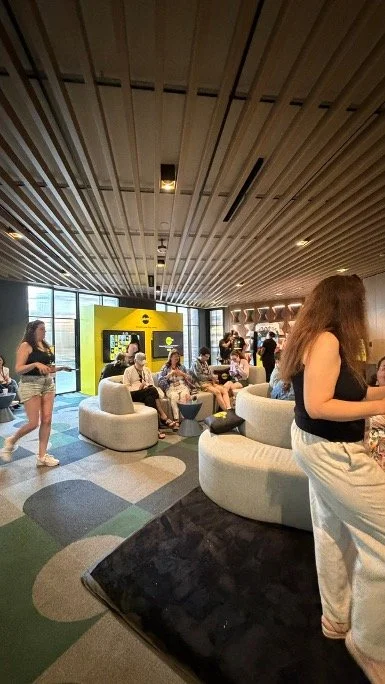
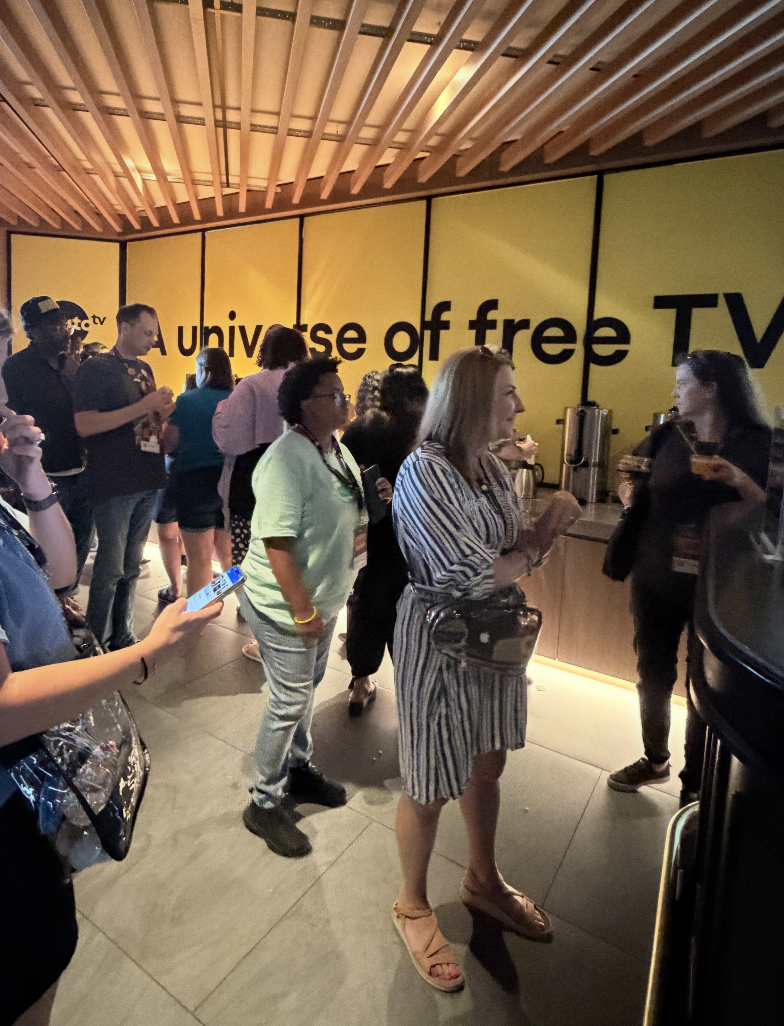
Instead of building toward a headline moment, it built toward sustained presence. Its Badgeholder Lounge sat in one of the highest-traffic areas of the festival and became something more valuable than an activation: a place people naturally returned to.
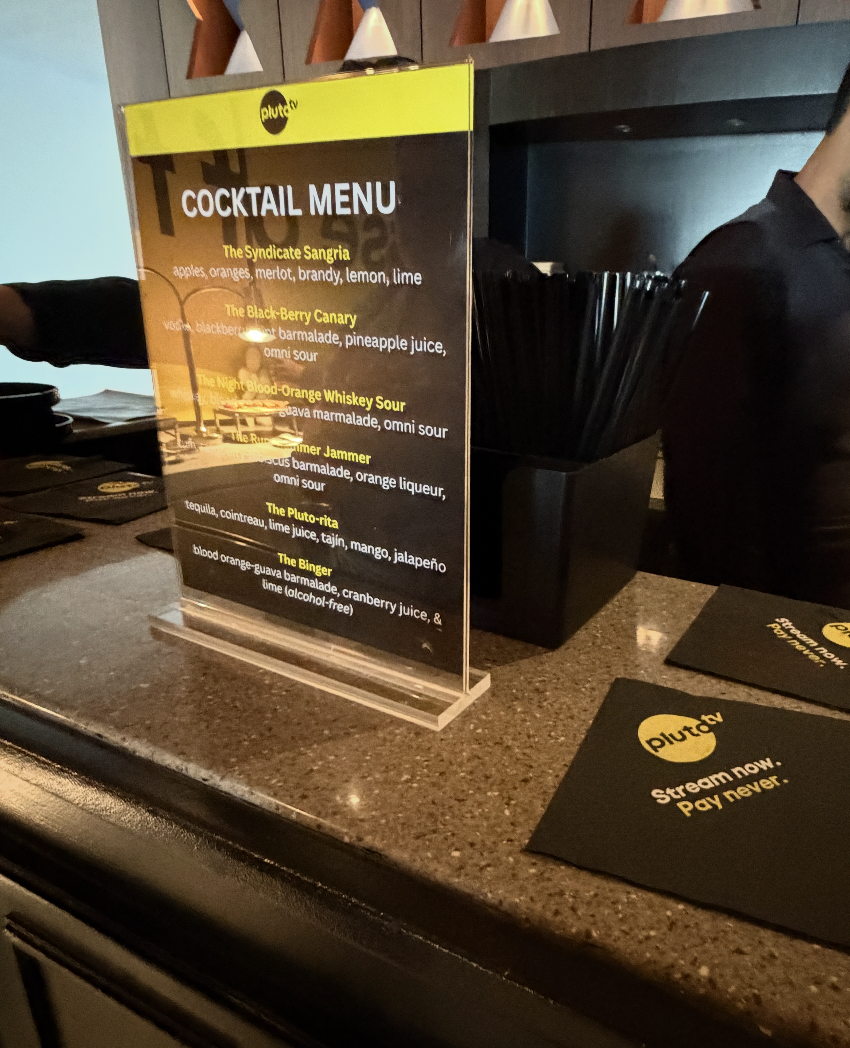
The space hosted meals, happy hours, and a rotating schedule of activations including trivia, AI photo moments, and recurring experiences that rewarded repeat visits.
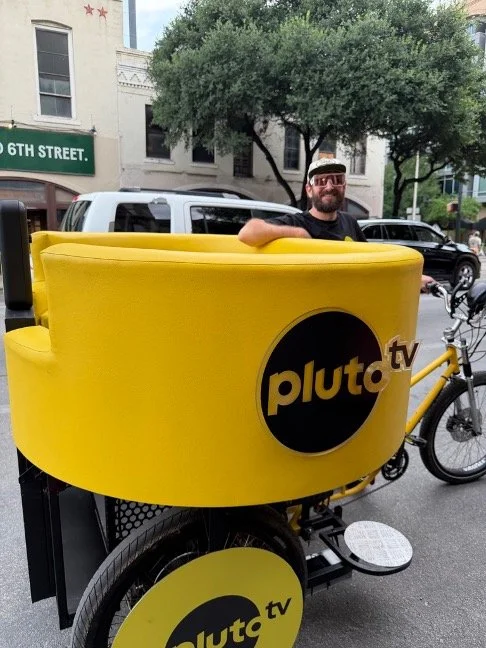
Outside the venue, branded pedicabs moved attendees throughout downtown, making Pluto’s presence difficult to ignore.
Because the objective was awareness rather than promoting a single title, the team invested in enhancing the attendee experience itself. The result was that Pluto became associated with how the festival felt. Rather than competing for one spotlight moment, it became part of the infrastructure that connected everything else.
The strategy: hospitality. Own the spaces people move through, not just the moments they gather around.
Selective Premium Placement: Beverage Partners
At a festival like ATX, there are two categories of brands that naturally belong: those tied to television and those tied to Austin itself.
This year, the strongest examples from both groups operated similarly. On the television side, national partners focused on selective visibility.
Coca-Cola Southwest Beverages, the U.S. arm of Arca Continental, brought a broad portfolio but used access to shape experience. The deeper into the festival you moved, the more curated the offering became: Smartwater and Topo Chico in restricted areas, standard portfolio selections in public spaces.

Tito’s, originally founded in Austin and now globally recognized, appeared consistently across greenrooms, VIP lounges, and signature cocktails, alongside Lalo tequila, in which the company took a majority stake last year. Local partners approached the opportunity with the same level of intentionality.
Still Austin supplied whiskey and gin. Lone Star became the official beer throughout the festival and anchored its presence with a branded bar at the Friday Night Lights homecoming. LeRoy and Lewis delivered barbecue on what became the most distinctly Texas night of the week.
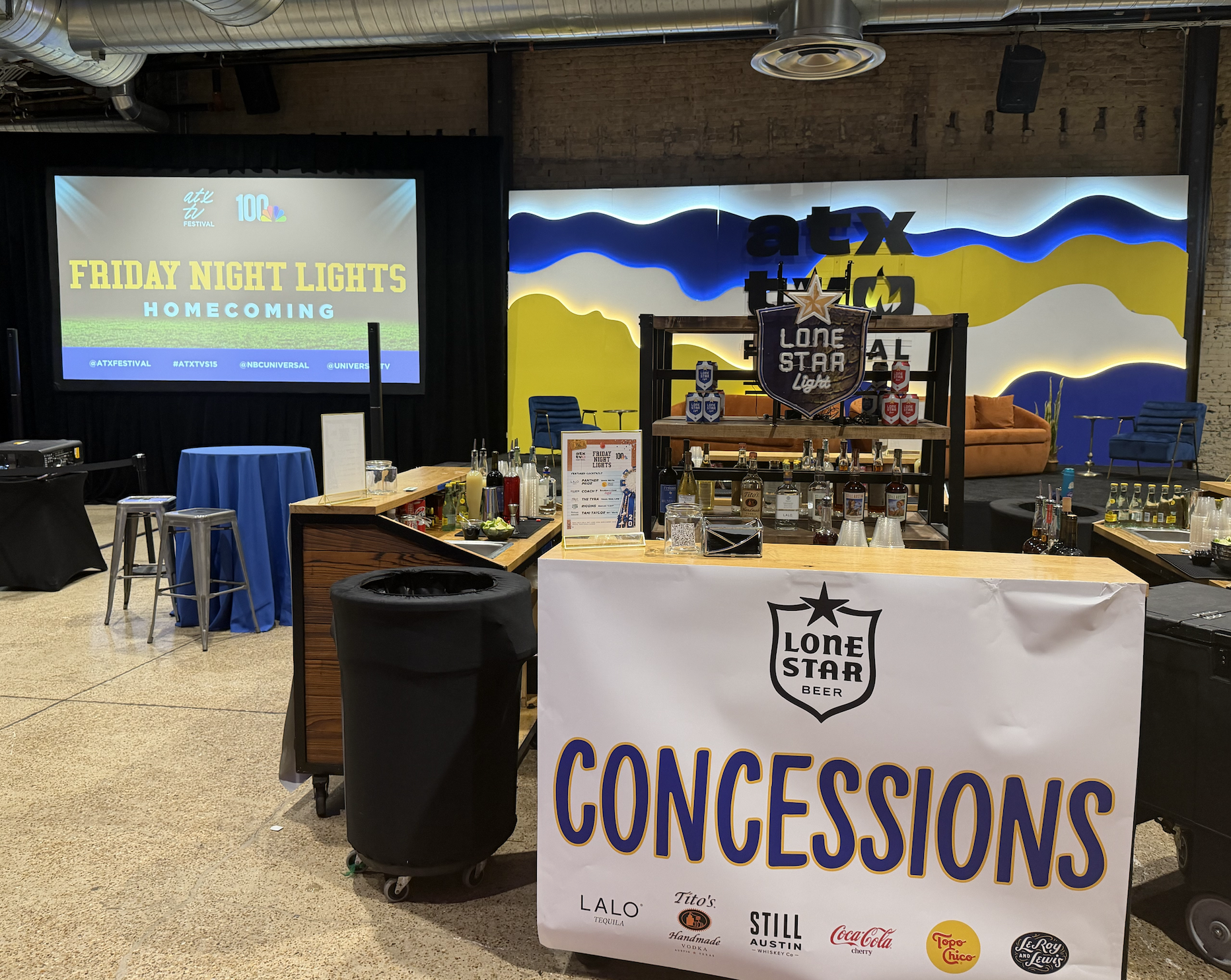
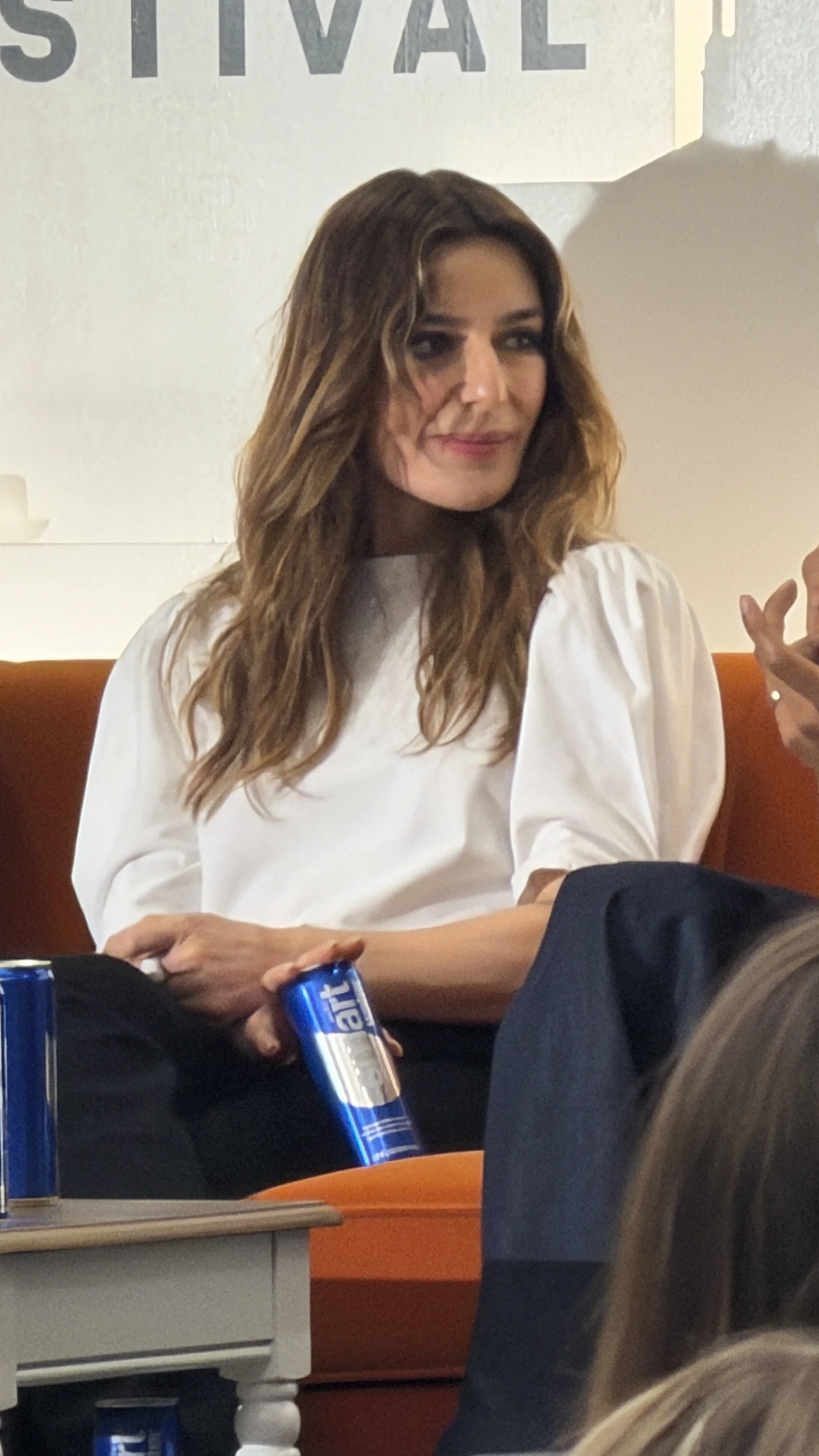
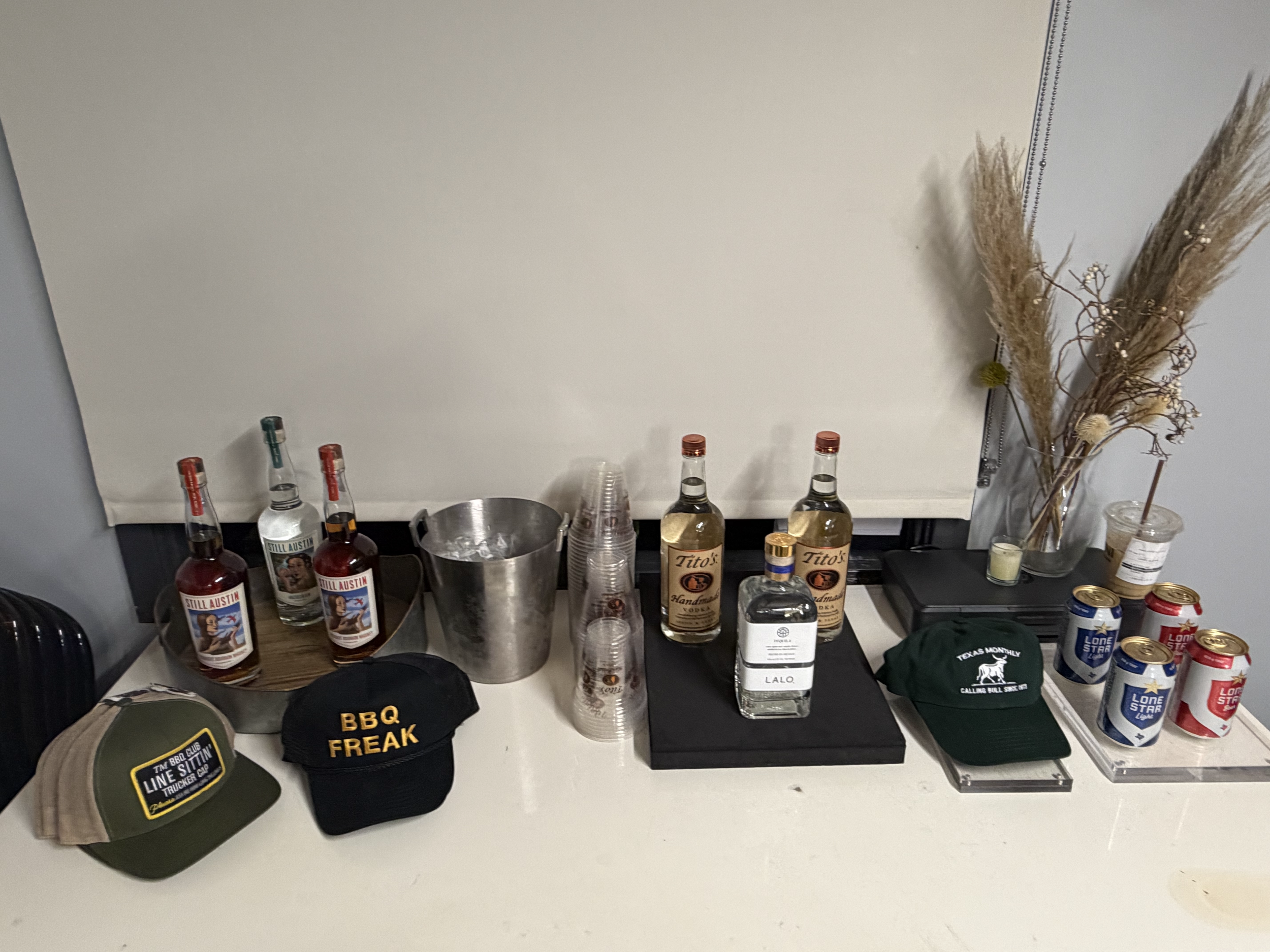
What connected these brands was not category or scale. It was selectivity. They concentrated on high-value environments: greenrooms, press spaces, premium gatherings, and marquee moments.
For most attendees, these brands were not encountered through booths or signage. They showed up as the drink in your hand during the moments people remembered.
Many of these brands have returned year after year. Over time, they have become embedded into the experience itself, creating a level of cultural relevance that cannot be bought in a single festival cycle.
The strategy: selectivity. Earn status through placement in the spaces and moments that matter most.
What This Means for Live Engagement
This is the lesson worth carrying beyond television.
Each brand made a deliberate decision about how to connect with the same audience, and the strongest examples understood something fundamental about live engagement: people connect most deeply to experiences they can step inside.
Get that right and budget matters less than people think. Miss it, and even the most elaborate activation becomes background. That lesson extends well beyond entertainment.
Any industry trying to move an audience should pay attention, especially those relying on familiar playbooks. The opportunity is rarely louder messaging or larger spend. More often, it is making a clearer decision about where and how to show up.
That is the lens we bring to every event we evaluate: starting with how people behave in a space, not simply how media is distributed across it.
Because those are rarely the same thing. The brands that connect are not always the ones spending the most. They are the ones that understand the room first.
Get that right, at the ATX TV Festival or anywhere else, and you stop chasing attention and start earning it.